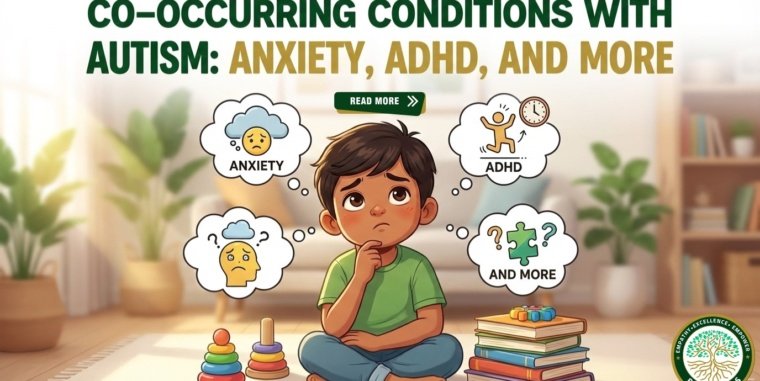
When parents first receive an autism diagnosis for their child, the focus naturally goes toward understanding autism itself. However, research shows that autism rarely exists alone. More than seventy percent of autistic children have at least one additional condition, and almost forty percent have two or more. These conditions, known as co-occurring conditions or comorbidities, can influence how a child…
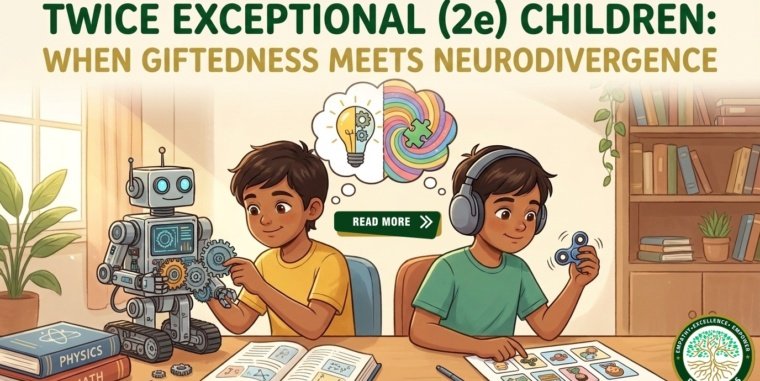
Some children surprise parents and teachers with extraordinary talents in one area alongside unexpected struggles in another. A child might solve complex puzzles quickly yet freeze during simple writing tasks, or they may speak like a miniature professor but find social situations overwhelming. These are traits often seen in twice exceptional or 2e children. Twice exceptional children have both high…
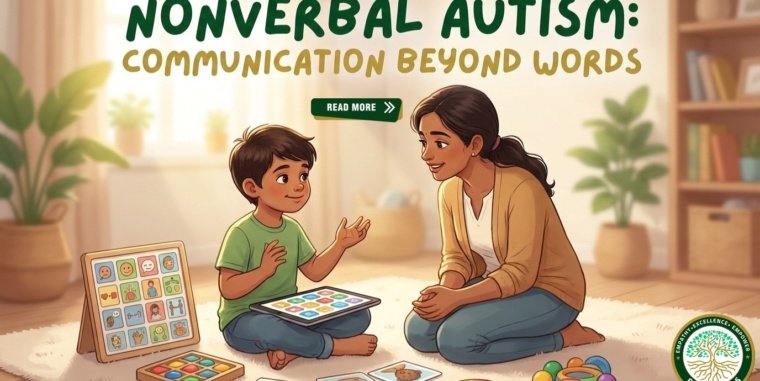
When parents hear the term “nonverbal autism,” they often imagine a lifetime without communication. This fear is common but based on outdated assumptions. Today, specialists understand that speech is only one form of communication, and many autistic children who do not speak can still learn to express themselves clearly, meaningfully, and independently through other communication systems. This blog explains what…
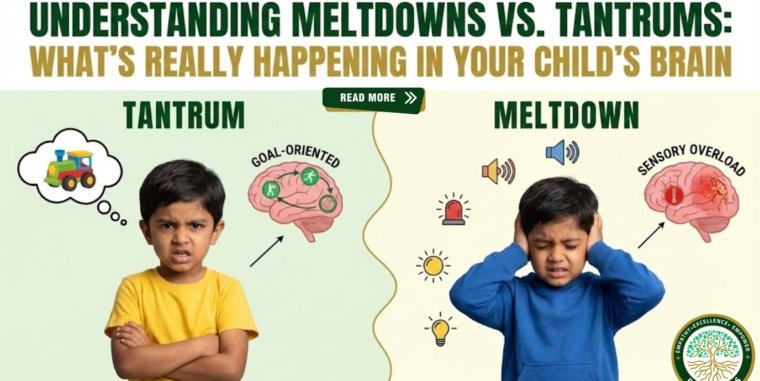
Parents often feel confused, worried, or even guilty when their child has intense emotional outbursts. It is difficult to know whether the behavior is a tantrum or something deeper, like a meltdown. The difference between the two is extremely important, especially for children with autism or sensory processing challenges. Understanding what is happening in the brain helps parents respond in…
Many parents worry when their child is not talking as expected. In India, families often hear conflicting advice. Some say the child will speak “when the time is right,” while others suggest something more serious. This confusion makes it difficult for parents to understand what is normal, what is a speech delay, and what might indicate autism. This guide provides…
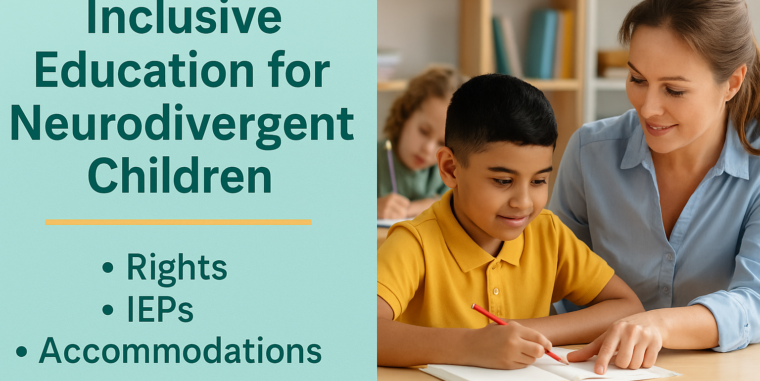
1. Can Neurodivergent Kids Attend Regular School? Absolutely. In India, children with autism, ADHD, dyslexia, and other neurodivergent conditions have the legal right to attend mainstream schools. If a school hesitates, remember: You have legal rights. You just need the knowledge and the confidence to use them. 2. What Is an IEP and Why It Matters An Individualized Education Plan…
Understanding Neurodivergence in the Context of Odisha Neurodivergence refers to brain differences that affect thinking, learning, and behavior—like autism, ADHD, and dyslexia. In Odisha, awareness is growing, but many families still struggle with understanding what these differences mean. In rural and urban communities alike, neurodivergent children are often misunderstood as “naughty” or “slow.” The lack of trained professionals, combined with…
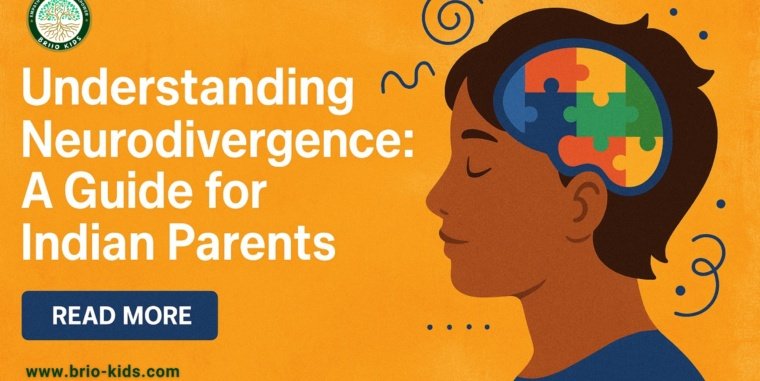
As more Indian families begin to recognize the uniqueness of every child’s mind, a new word has started entering parenting conversations: neurodivergence. Whether you’ve heard it from your child’s teacher, therapist, or through a late-night internet search, you might be wondering: What is neurodivergence? Does it mean something is “wrong” with my child? Is autism a disability? Can my child…
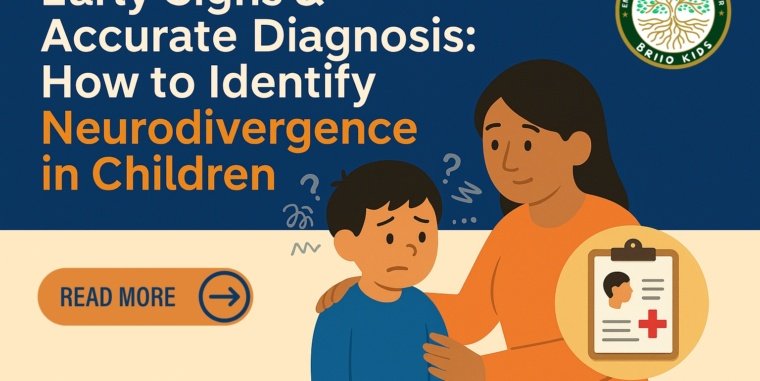
Introduction: Screening Isn’t Just a Diagnosis—It’s a Discovery As parents, when we hear words like “autism,”“neurodivergent,” or “developmental delay,” it’s natural to feel uncertain. But what if screening didn’t mean something’s wrong—but that something is different, and beautiful? In 2025, more parents are searching terms like “why screen for neurodivergence” and “benefits of autism diagnosis”—a sign of growing curiosity, not…
Introduction: The Power of Early Awareness Every parent wants the best for their child—especially when it comes to their growth and development. But what happens when your child’s progress doesn’t match typical milestones? That’s where early screening for autism and ADHD steps in. In 2025, local searches like “autism screening near me” and “neurodivergent diagnosis for kids” have spiked. Parents…